
This is the first time I’ve written about the mission and excitement going on at The Real Players Inside The Backstretch…but it won’t be the last.
Getting to know the energized, growing team there here in Saratoga this month, I have made it my personal mission to do whatever I can to help them shed light on the heroes behind the horses, the backstretch workers, trainers, jockeys and my fellow racehorse owners. And, to shine the brightest lights possible on their grass roots effort to expand the tent, bringing in the next generation of horse racing fans and friends.
When I saw this, one of hundreds of on-site interviews with people from every corner of the modern horse racing industry, I just had to offer to be useful, in any way I can. They are social media moguls already. And I’m a writer. So it was a natural for me to combine this post featuring some rising starts of the game, along with what I’ve written about here often: the vital and leading role women have and will play in the sport.
Here’s the original post from them, followed below by my merger with that interview into the broader topic of women in racing, and the full Substack text below that.
Enjoy!

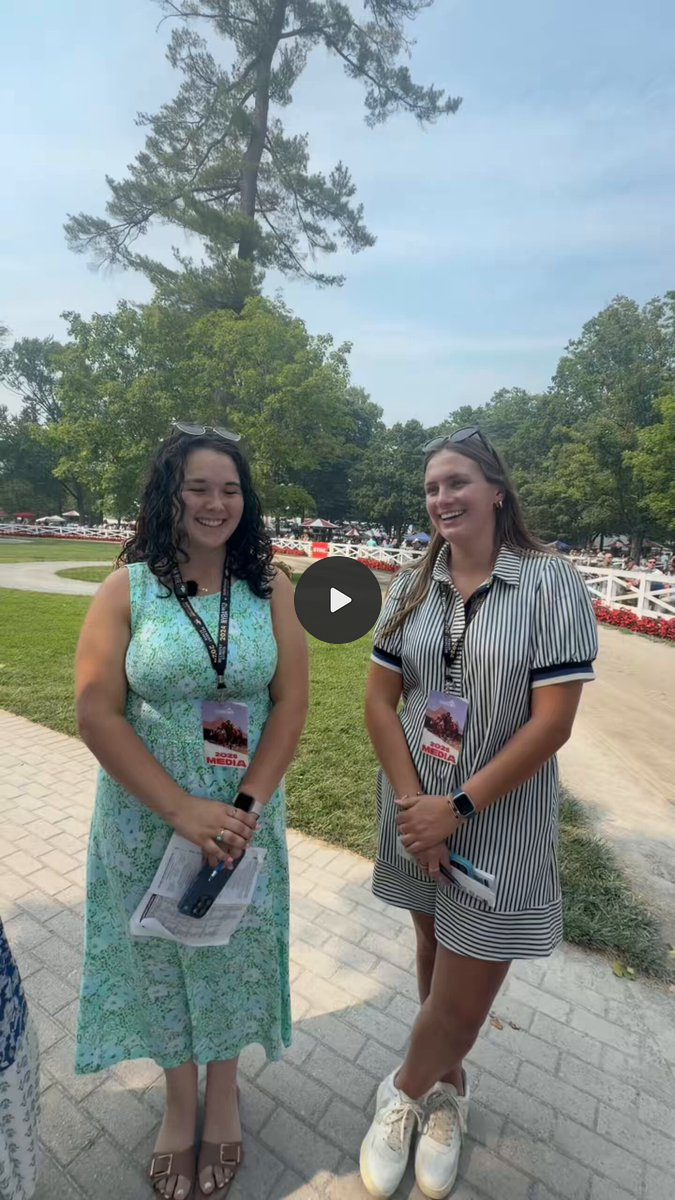

REAL Players of the Backstretch clip, you saw three young women, recent college graduates and summer interns at the aptly-named The Saratoga Special, talking about their future in horse racing. They aren’t just looking for a job—they are each walking their own paths toward making an impact on the sport.
Did I say walking? Watch the clip. As you will see, they are not walking, they’re running.
As with so many stories we bring you from the backstretch, this is one of the things about racing that makes it special. Even when the “special” is happening outside of Saratoga. It is a rarity in sports: women compete directly against men on identical terms.
This is not new. But like so many of the everyday heroes we profile here, it is a part of the game that is often lost in the headlines of multi-million dollar races and record-setting auctions. When Cherie DeVaux became the first female trainer to win the Kentucky Derby (and five weeks later, the Belmont Stakes), backstretch nation thought “yeah, you should see how women do the other 6 days of the week!”
The Trailblazers Who Paved the Way
For decades, women had to fight just to get licensed. Once the doors cracked open, they proved that horsemanship isn’t about raw physical power—it’s about balance, timing, and communication. Not chromosomes.
Diane Crump (1970): Became the first woman to ride in the Kentucky Derby, breaking a massive gender barrier at Churchill Downs.
Julie Krone (1993): Showed the world women can win at the highest level by becoming the first female jockey to win a Triple Crown race (the Belmont Stakes). She later entered the Hall of Fame.
The Equine Superstars: It’s not just human athletes. Fillies like Rachel Alexandra and Rags to Riches regularly step out of female-only divisions to crush the best colts in the country in races like the Preakness and Belmont.
Passing the Torch to the Next Gen
Today, the modern backstretch is driven by women at every level. Trainers like Cherie DeVaux and Jena Antonucci (the first woman to train a Belmont Stakes winner) are running powerhouse, multi-million-dollar stables. And female jockeys, from Katie Davis and Chantal Sutherland, to Melissa Iorio, Kelsi Harr and Sara Hess, continue to inspire young women to enter and enjoy the sport.
Horse racing media has been enhanced by the pioneering leadership of people like Caton Bredar, Donna Brothers and Christina Blacker. The New York Racing Association (NYRA)’s CFO, Chief Legal Counsel, and HR Director are women.
When you watch those three young women in the REAL Players clip, you aren’t just watching an interview. You’re watching the next chapter of racing history unfold. They are stepping onto a track built by generations of fierce, talented women—and they’re ready to run right past the boys.